The Question Has Two Parts
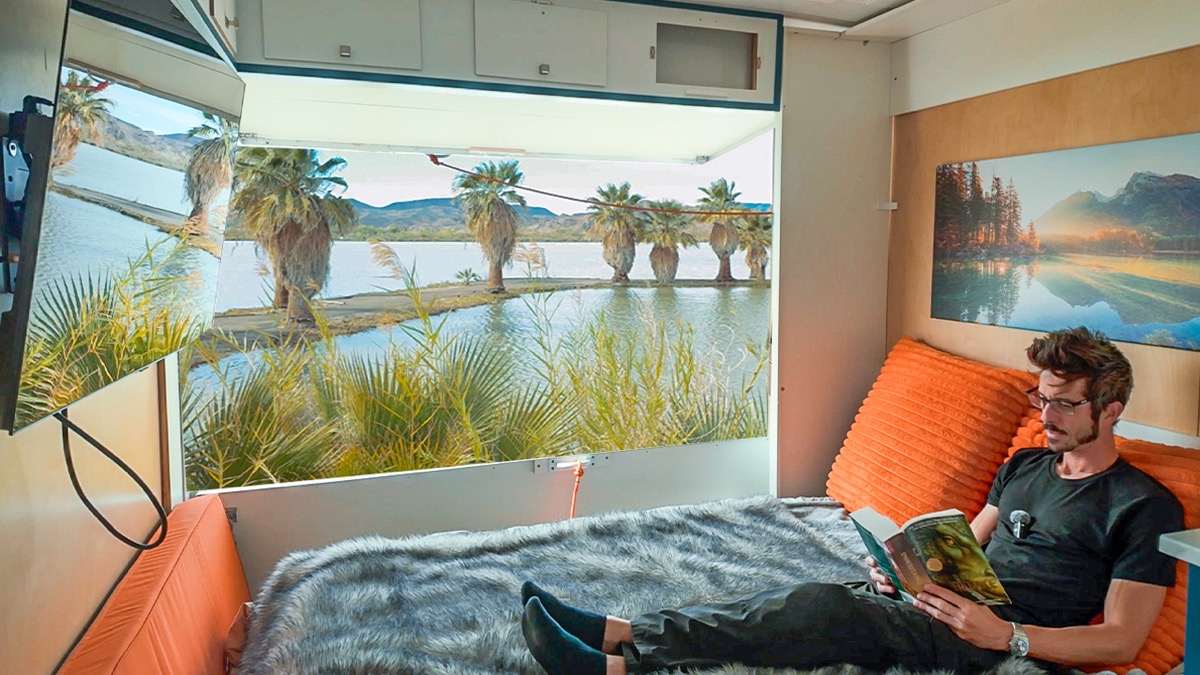
When people ask if I'm lonely, they usually mean one of two things. First: are you lonely from not being around people as much? Second: are you lonely because you're not in a relationship? The short answer to both is no — but the longer answer is worth understanding.
In my previous life, I was busy in the middle of everything. Working, hustling, always on the phone — talking to clients, co-workers, scrolling social media, listening to podcasts. There was constant noise. And honestly? Even surrounded by all of it, it was hard to really think, or relax, or feel at peace. That version of my life felt lonelier in a lot of ways than anything I've experienced out here.
How I Got Here
Seven years ago I was living the typical American lifestyle — working 50-plus hours a week and maintaining a house on top of it. I felt like my life was on fast forward. Always rushing to the job site, rushing through the work week to get to the weekend, and then spending the weekend on home projects just trying to carve out a little slice of time for myself.
I remember being in my early 30s and thinking: is this it? I just live on fast forward until hopefully one day I can retire, and then I get to live life on my terms? That didn't make sense to me.
So I took one weekend completely off. I loaded up my SUV with camping gear, drove 90 minutes out to the mountains, found a forest service road, parked under a tree, and stayed the whole weekend. The first night I was sleeping in the back with the window cracked. I felt a cold breeze across my face. I listened to the wind move through the trees. And I felt a level of peace and clarity I hadn't felt in a very long time.
I wasn't rich. The only way I could make it work was to sell everything I owned and move into a van. Seven years later, I'm still doing it.
Conscious Solitude
I was trying to explain what I was doing to people for years before I finally came across a video from Dr. Joe Dispenza. He calls it conscious solitude — the idea that you're deliberately choosing to be alone, rather than having solitude imposed on you.
He explains that when you're constantly around people and external stimulation — social media, in-person interaction, phone calls, notifications — your brain is getting dopamine hits from those interactions. A like on a post, a text from a friend, a comment online. Dopamine feels good, but it wears off fast. You need more and more to maintain the feeling.
According to Dr. Dispenza, dopamine addiction uses the exact same neural pathways as substance addiction. Constantly chasing external validation keeps you drained — you're always looking outward for your next hit. Conscious solitude breaks that cycle.
When you choose solitude instead, you start rewiring your brain. You pull back from chasing dopamine and begin producing your own neurochemicals from within. Research has found that people in solitude — especially in nature — produce high levels of serotonin, which generates genuine feelings of well-being that don't require anything external to sustain them.
I think a lot of people are feeling burnt out right now, and part of it is exactly this: we are so constantly bombarded with messaging, apps, and noise that it's become hard to just think. When you look back at a lot of the most creative inventors, composers, and artists in history, they were known for their solitude. I don't think that's a coincidence.
I Still Like People
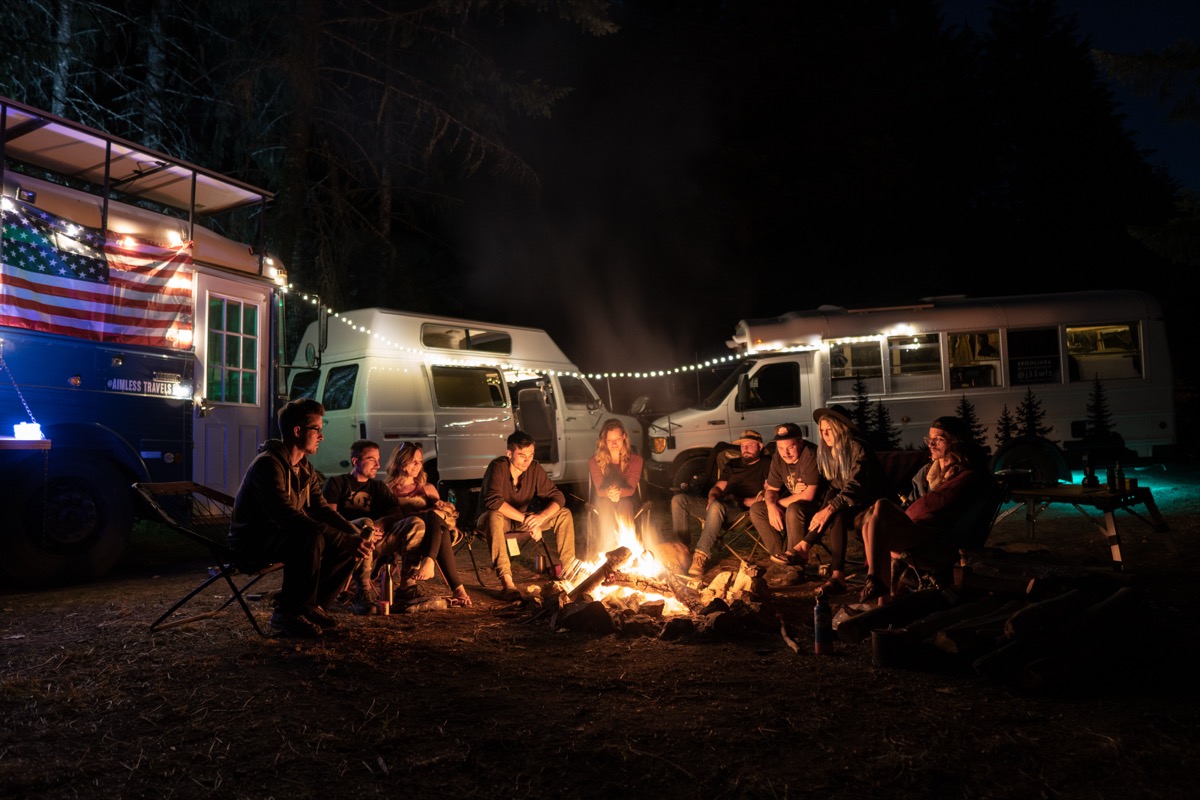
Just to be clear — I'm not anti-social and I'm not living like a hermit. If you've followed my channel, you know I spent last summer in San Diego with a whole group of nomads and had more social interaction than I'd had in years. This past winter I spent a ton of time with family and with my nomad friends — Sir, Dave, Scott, Jason, King Gamer over in Eastern California.
The difference is my default. Most people's default is busy, social, noisy — and they escape to solitude occasionally. Mine is the opposite. My default is solitude, stillness, and rest. From that place I go out to be social, interact, connect. Then I come back to recharge. It's not that I don't want people — it's that I come to people full instead of depleted.
What About a Partner?
I've had girlfriends on and off throughout van life — including about two years ago. I'm not anti-relationship and I'm not anti-people. But now that I've come to really value my peace and my solitude, the only way I could bring a partner in is if they shared those values.
I'd need someone who appreciates nature deeply, who values quiet and stillness, who finds the lifestyle fulfilling rather than limiting. When you're living this life, the dating pool is already smaller — I'd need a lady who's a nomad, in my age range, someone I'm actually attracted to. It narrows the options. I have no doubt I'll find the right person, but it's not as simple as it would be for someone living a traditional lifestyle — and I've come to understand and accept that.
Should You Try It?
Van life isn't for everyone. You have to be comfortable with nature, comfortable with change — locations change, friends change, grocery stores change. But you also don't have to go all-in to get value from it.
- 01Financial freedom. Lower your overhead and you create leverage. Maybe the boss doesn't have it over you anymore. Maybe you can relocate, take time off, or make a move you couldn't afford before.
- 02Part-time works too. Want to buy a house? Live in a van for a year, save aggressively, then buy. It's a completely legitimate strategy — you don't have to do this forever.
- 03You can stay in one city. You don't have to travel the whole country like I do. If you have a gym, friends, favorite spots — you can live this lifestyle and stay planted in a single city.
- 04Especially worth it if you're stuck. If you're working a job you hate, barely making bills, can't see a way out — the fastest path to options is lowering your expenses. Freedom comes from leverage, not income.
This lifestyle requires a tolerance for uncertainty. If stability and routine are core to your mental health, going full nomad may not serve you. But even small doses — a week off-grid, a weekend in nature without your phone — can produce the reset that conscious solitude is built on.
The Bottom Line
No, I'm not lonely. And what I tell people is: if I was lonely, I'd change it. You can design this lifestyle around whatever level of social interaction you need. The freedom cuts both ways — you can be as isolated or as connected as you want to be.
What I've found after seven years is that real peace doesn't come from being surrounded by people or noise. It comes from having a relationship with yourself — with your own thoughts, your own creativity, your own sense of what matters. Solitude, chosen consciously, isn't lonely. It's a superpower.
Watch the Full Video
Seven years of honest answers on solitude, relationships, and what life on the road actually feels like day to day.
Ready to Lower Your Overhead?
Browse Brad's personally curated listings of built-out vans, box trucks, and skoolies ready for life on the road.
Browse Rigs for Sale → Find a Builder